How to Design a Workshop (with Equity and Inclusion in Mind)
Watch a 40m recorded webinar, and download a companion worksheet to guide you step-by-step to design an engaging and effective workshop with equity and inclusion in mind.


Watch a 40m recorded webinar, and download a companion worksheet to guide you step-by-step to design an engaging and effective workshop with equity and inclusion in mind.

Anchored by three components, social justice, inclusive leadership, and self-awareness, this interactive and thought-provoking workshop equips participants with tools and strategies for their personal and professional development into an equity-minded, inclusive, and action-driven leader.
In this series, we interview people in careers nontraditional for their gender. Role models are important for inspiring others to pursue nontraditional careers, so we hope you are inspired by our guests’ stories!

Mr. Nerd Geek Stereotype, was reported missing and presumed dead on January 1, 2019. Multiple conflicting reports confuse investigators of his last whereabouts. Accounts vary, but one thing is certain: Mr. Nerd Geek Stereotype should not be missed.
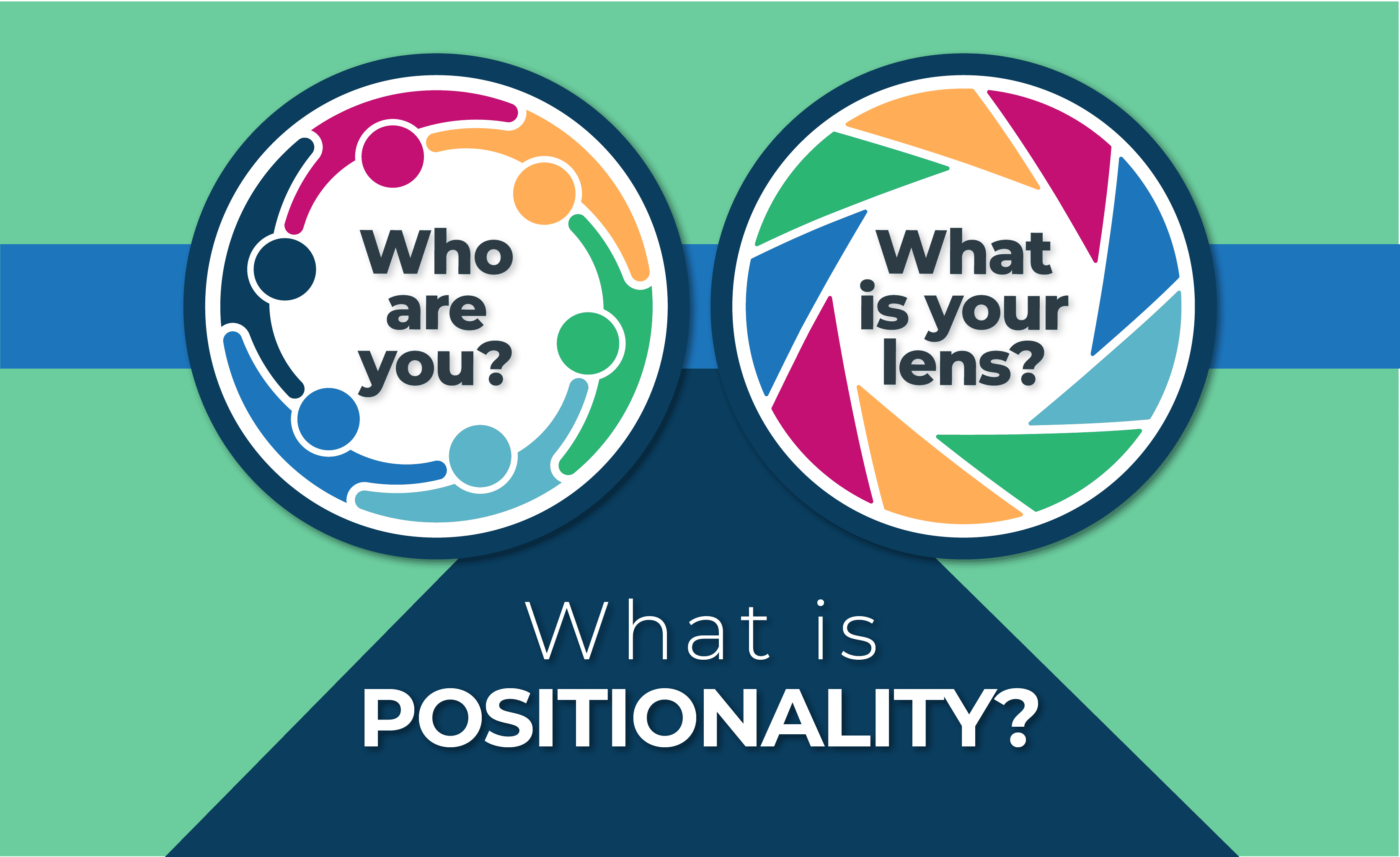
The way we see and understand the world influences how we interact with others, make decisions, and interpret others’ actions. To be equitable and inclusive leaders, educators, or humans, we must understand how our identities bias our perceptions. In this post, we provide a free downloadable 26-page PDF with definitions and explanations of several social identities (race, gender, socioeconomic status, ability status, and sexuality) and a scaffolded exercise to help you examine your positionality.

This curriculum about systems of oppression and color-blind racism is available as an in-person or virtual workshop. The recommended session length for this curricula is a half-day.

Since it is the time of year when many of my clients evaluate goals, set new budgets, and generally plan, I want to provide tools and resources to help you initiate a process for centering equity and inclusion in your organization. To get started planning, two tools I like to use are the SOAR and SWOT analysis techniques.
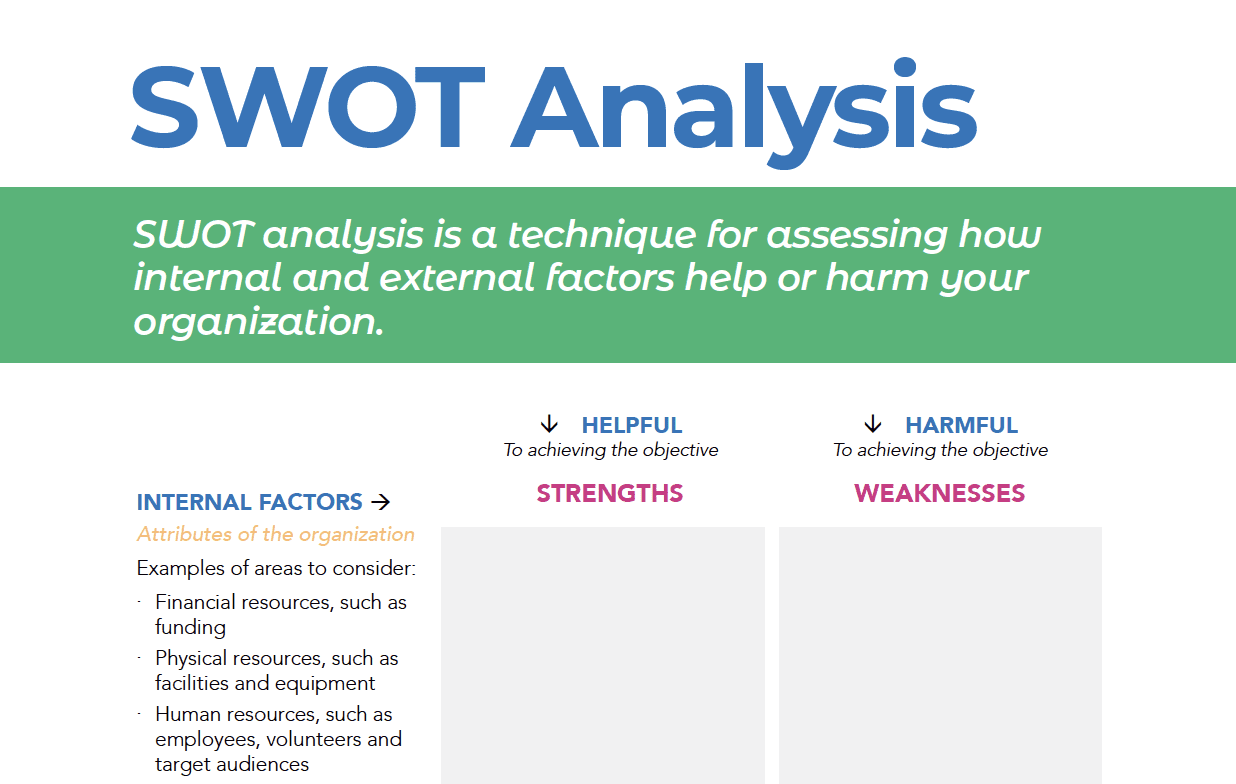
SWOT analysis is a technique for assessing how internal and external factors help or harm your organization and is often used in strategic planning processes. In this post, you’ll learn about the four components of SWOT and be able to download a printable worksheet / digital form.
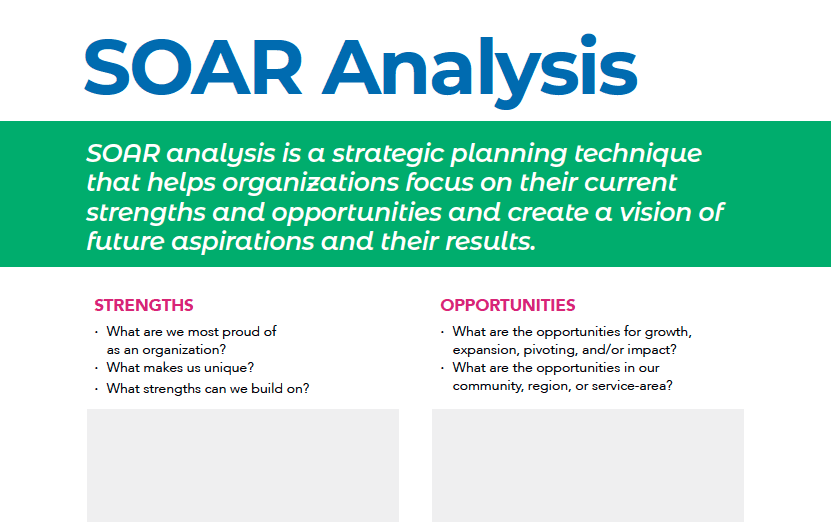
SOAR analysis is a strategic planning technique that helps organizations focus on their current strengths and opportunities and create a vision of future aspirations and results. In this post, you’ll learn about the four components of SOAR and be able to download a printable worksheet / digital form.

I’m thankful someone introduced me to engineering, and for all of the people along the way who encouraged me to persist. In honor of “Introduce a Girl to Engineering Day,” will you introduce a girl to engineering this week? Check out a list of resources to help.